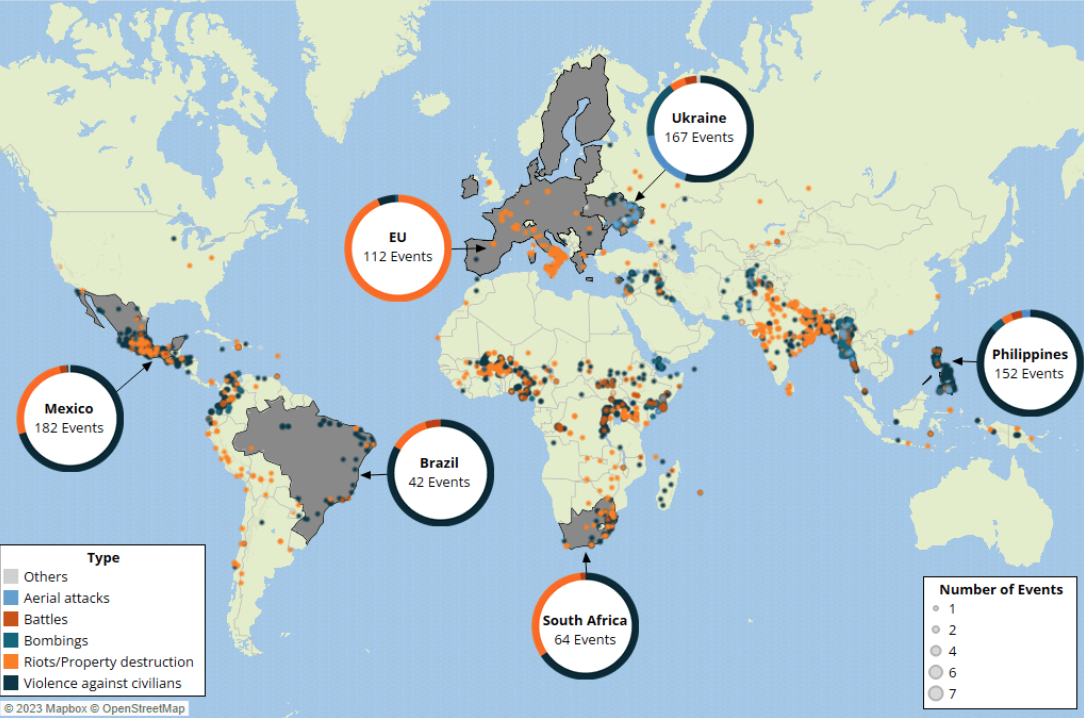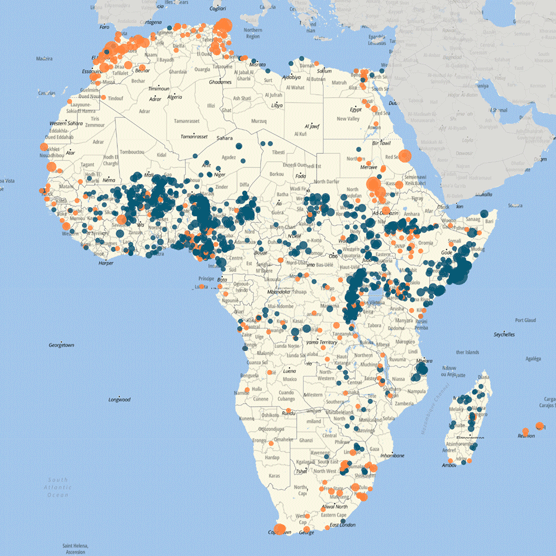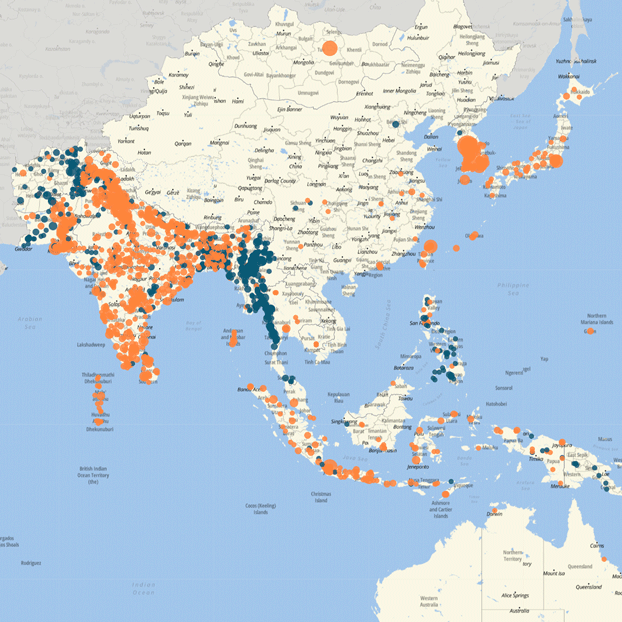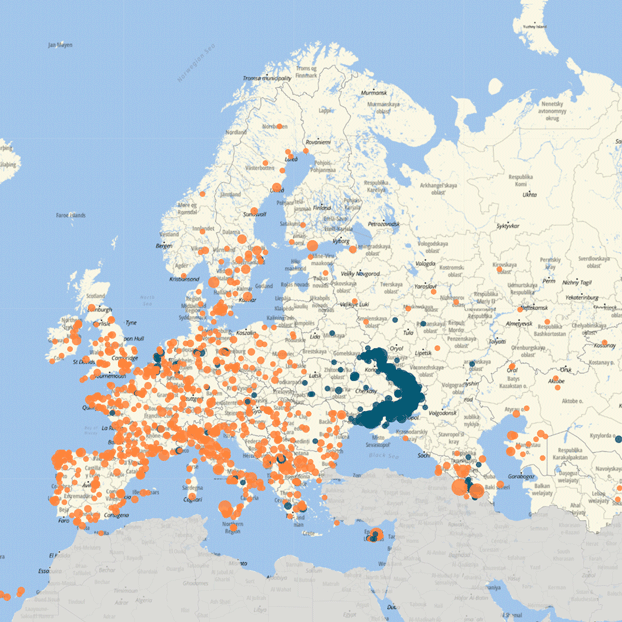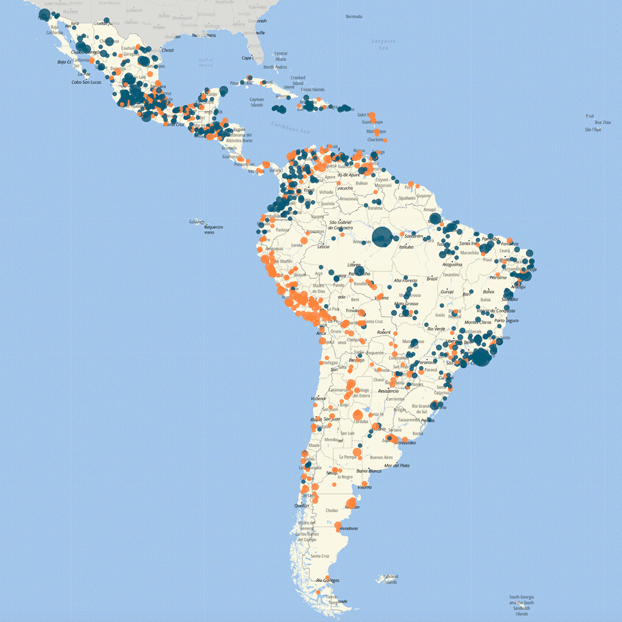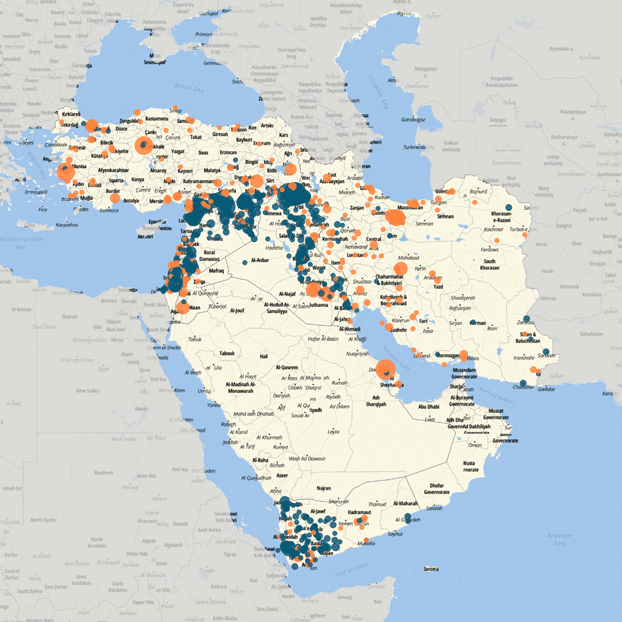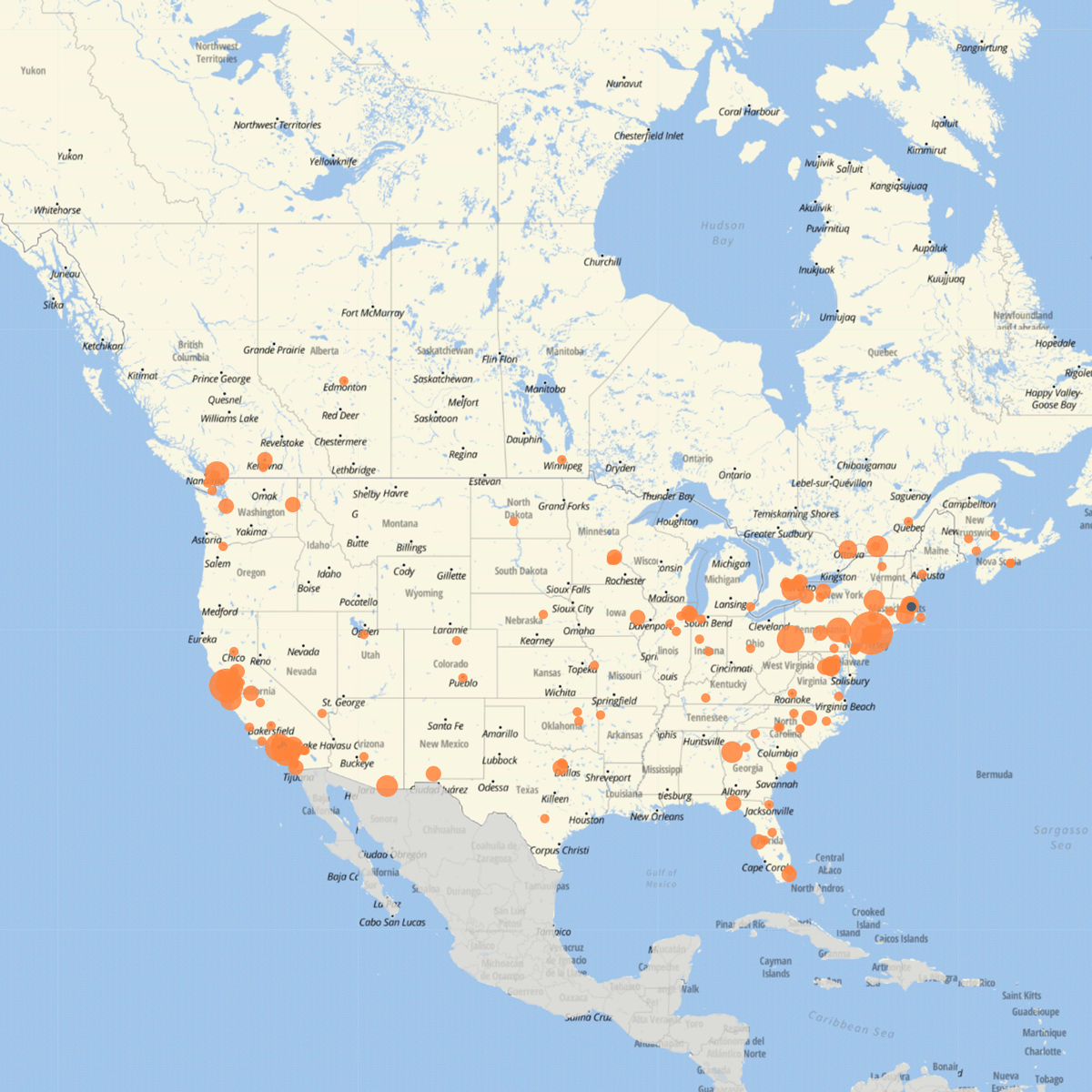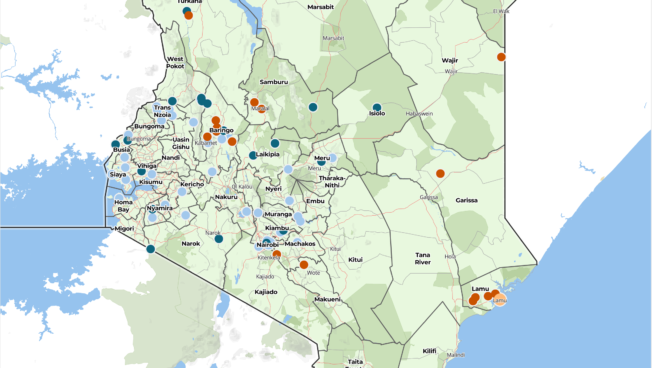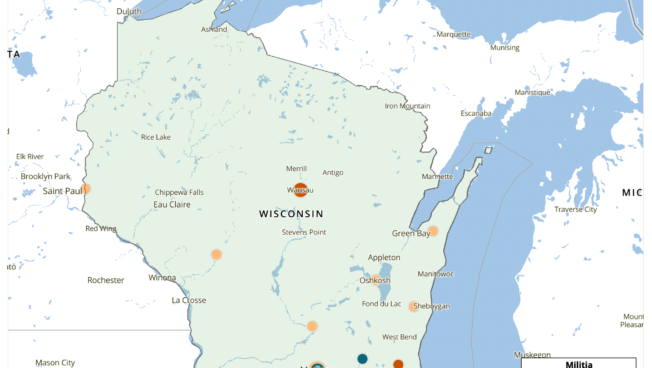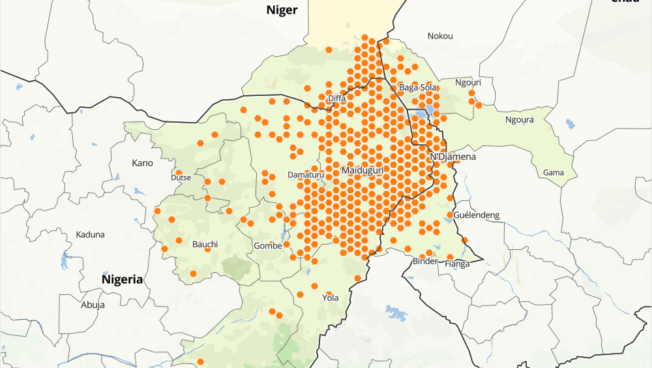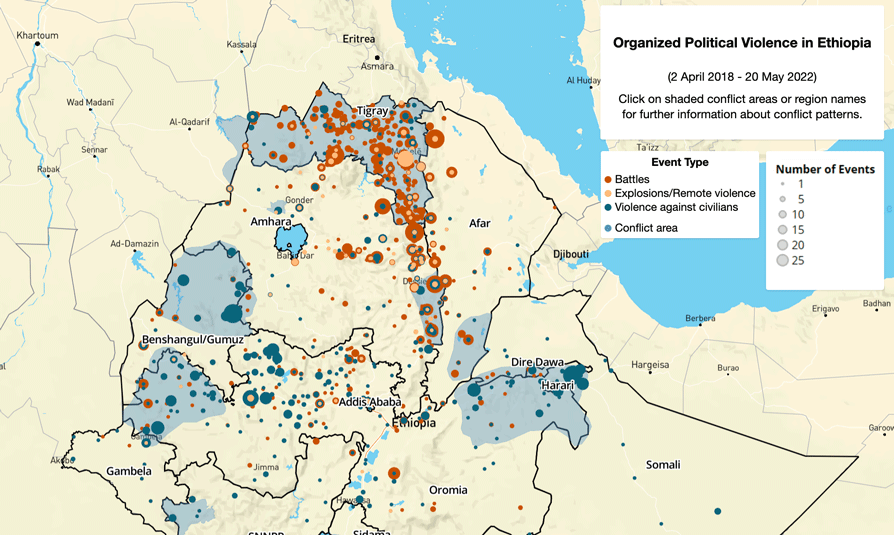

The ACLED Conflict Index is a global assessment of how and where conflicts in every country and territory in the world vary according to four indicators — deadliness, danger to civilians, geographic diffusion, and the number of armed groups.
ACLED is the highest-quality and most widely used near-real-time source on political violence and protest data worldwide.
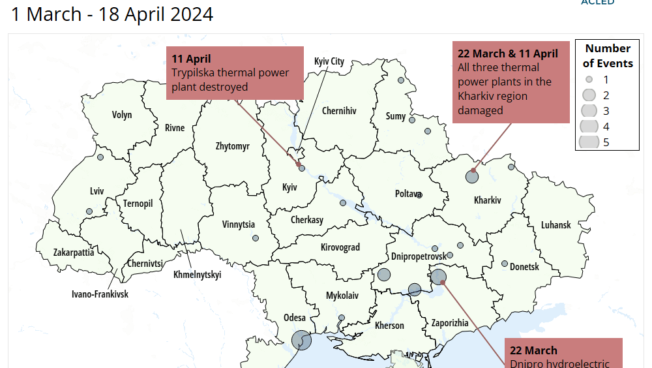
ACLED’s Ukraine Conflict Monitor provides near real-time information on the ongoing war, including an interactive map, a curated data file, and weekly situation updates. It is designed to help researchers, policymakers, media, and the wider public track key conflict developments in Ukraine.
The ACLED Explorer allows you to filter and summarize data via an intuitive form that produces data tables and charts. Use it to answer questions on event types, actors, locations, and time periods dating back to 2018.
Discover in-depth conflict analysis, webinars, and featured articles based on ACLED data.
While violence in Iraq is at its lowest levels since the fall of Saddam Hussein in 2003, the relative stability ahead of the 11 November vote is the result of repression by political leaders whose legitimacy is eroding.
The Arakan Army’s successes in Rakhine state advance its regional goals and provide it with strategic leverage against the military and its backers in India and China.
A close look at ACLED’s data on the Philippines’ continuing war on drugs and how it has been shaped by elections, international pressure, and the power struggle between the Duterte and Marcos political dynasties.
The systematic repression of opposing forces in Tanzania — through arrests, abductions, and political exclusion — guarantees President Hassan’s victory on 29 October.
Conflict is changing — and we’re changing how we track it.
Explore further